Watercolor Animal Selfies: A Designer Review
As a designer who has spent years testing machine embroidery designs for both personal projects and client orders, I know that the difference between a successful handmade product and a frustrating one often comes down to how well a design translates from screen to fabric. When I first opened the Watercolor Animal Selfies file, my immediate reaction was one of curiosity mixed with caution. The concept is undeniably charming, falling squarely into the Illustrations category, but the real test lies in execution. Does this whimsical aesthetic hold up under the scrutiny of a stitching machine? Let's dive into what this design actually offers for your craft business or hobbyist wardrobe.
The First Impression: Mood and Visual Personality
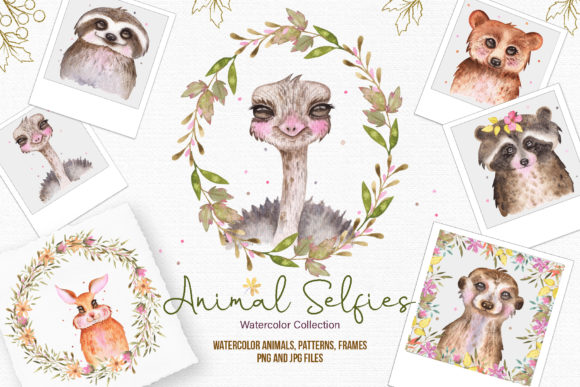
The Watercolor Animal Selfies collection exudes a soft, playful energy that feels perfect for the current market trends in nursery decor and lifestyle apparel. Visually, these designs mimic the fluidity of paint bleeding into paper, creating organic edges and blended color transitions. For an embroidery project, this presents a unique challenge and opportunity. Unlike sharp vector graphics, watercolor styles rely on gradients and texture to convey depth. In a digital format, it looks dreamy; in thread, it requires careful consideration of stitch types to avoid looking muddy or over-stitched.
The layout of the animals in "selfie" poses adds a modern, social-media-savvy twist that appeals to younger demographics. This isn't just a static animal portrait; it has personality. As an Etsy seller or small shop owner, you can leverage this personality to create personalized gifts that feel less like mass-produced merchandise and more like curated art pieces. The visual weight is balanced, making it suitable for centering on garments without overwhelming the wearer.
Real-World Application: From Tote Bags to Sweatshirts
To truly evaluate Watercolor Animal Selfies, I imagined using it on a few specific items common in my studio. First, consider a custom embroidered tote bag. Cotton canvas is forgiving, and the slightly textured look of a watercolor effect complements the natural weave of the fabric beautifully. Here, the design shines as a statement piece for a boutique product line. The soft edges of the watercolor style blend seamlessly with the canvas, avoiding the harsh contrast that sometimes plagues bold, solid-color logos.
Next, let's look at sweatshirt embroidery. This is where the design really tests its limits. Fleece and heavy cotton blends have a nap that can obscure fine details. However, because the Watercolor Animal Selfies relies on broader washes of color rather than intricate line work, it performs surprisingly well on fleece. The key is ensuring the stitch density isn't too high, which could cause puckering on thick fabric. If used correctly, this design elevates a basic hoodie into a trendy, wearable art piece that customers will love.
For baby items, such as onesies or bibs, the gentle nature of the illustration is ideal. Parents are always looking for soft, non-threatening imagery for their nurseries. The pastel tones typically associated with watercolors make this a top contender for baby embroidery collections. It creates a cohesive look for a nursery set, from pillow covers to tea towels, maintaining a consistent brand aesthetic for your handmade shop.
Navigating Challenges: Where Caution Is Required
While I am impressed by the versatility of Watercolor Animal Selfies, there are scenarios where this design needs careful handling. The primary concern is small hoop sizes. Watercolor effects require space to breathe; if you attempt to scale this design down to fit a tiny 4x4 inch hoop, the delicate blending of colors may turn into a blob of thread. The subtle gradients might get lost, resulting in a loss of detail that cheapens the finished product.
Fabric texture is another critical factor. On highly textured fabrics like burlap or heavy denim, the illusion of a smooth watercolor wash can be disrupted by the weave. Similarly, on dark fabrics, achieving the light, airy feel of a watercolor painting is difficult without significant thread usage, which increases cost and risk of puckering. You must check your thread colors carefully to ensure they pop against the background without clashing.
Curved surfaces, such as caps or hats, also present a challenge. The organic shapes of the animal selfies might distort when stitched onto a curved brim. Before committing to a batch of caps, I strongly advise testing the design on a scrap piece of similar material. Additionally, for products that need frequent washing, like kitchen towels or aprons, ensure the stabilizer used is appropriate for the fabric type to prevent the stitches from cracking or fading over time.
Technical Considerations for Professional Results
- Stitch Types: To achieve the watercolor look, the design likely utilizes a mix of fill stitch and running stitch. Avoid relying solely on satin stitch for large areas, as this can look too rigid and plastic-like.
- Stitch Density: Monitor the density closely. Overly dense stitching in the "wet" areas of the watercolor effect can stiffen the fabric. Adjust settings if necessary to maintain drape.
- Color Blending: Since machines cannot physically blend threads like paint, the design uses color layering. Ensure your thread palette matches the intended gradient to avoid banding.
- Stabilizer Choice: Use a cutaway stabilizer for stretchy fabrics like jersey knit to support the weight of the thread, especially in larger areas of the design.
Boosting Your Craft Business Value
Incorporating Watercolor Animal Selfies into your product line can significantly enhance your brand's perception. Customers today value uniqueness and artistic flair. By offering items featuring this machine embroidery design, you position your shop as a creator of premium, thoughtful goods rather than just a reseller of generic patterns. The design's appeal extends to holiday embroidery, where personalized stockings or gift tags featuring these cute animals can drive seasonal sales.
For digital product sellers, this design serves as an excellent asset for creating printable mockups. Showing potential buyers how the design looks on various items before they purchase builds trust and reduces return rates. It demonstrates professionalism and attention to detail, key factors in building customer loyalty in the competitive world of handmade goods.
However, always remember to confirm licensing terms before selling finished items or digital files. Whether you are creating a single custom apparel piece for a client or producing a run of commercial embroidery for a retail partner, understanding the scope of your license protects your business from legal issues.
Final Verdict for Designers and Makers
Before you download the digital embroidery file and start stitching, take a moment to visualize the final application. Does the scale match your hoop size? Is the fabric compatible with the design's texture requirements? Test the Watercolor Animal Selfies on scrap fabric first, checking the back of the stitching for cleanliness and the front for clarity. Compare how it looks on light versus dark backgrounds to ensure the colors remain vibrant.
If you approach this design with preparation and respect for its technical nuances, Watercolor Animal Selfies can become a staple in your portfolio. It offers a fresh, artistic take on animal motifs that resonates with modern consumers. Whether you are crafting a personalized gift for a friend or stocking shelves for your Etsy store, this design provides the creative spark needed to make your finished product stand out. With the right execution, it transforms simple thread and fabric into something truly memorable.