Watercolour Mouse Family Embroidery Review
As a designer who has spent years translating digital art into physical thread, I approach every new machine embroidery design with a mix of excitement and caution. The gap between a beautiful pixelated image and a stitched reality can be wide. Recently, I evaluated the Watercolour, Mouse, Mice, Animal Family design to see if it holds up under the scrutiny of real-world production. This isn't just about whether the file loads correctly; it is about how the motif translates into a tangible product that customers will love and keep.
First Impressions: Mood and Visual Personality
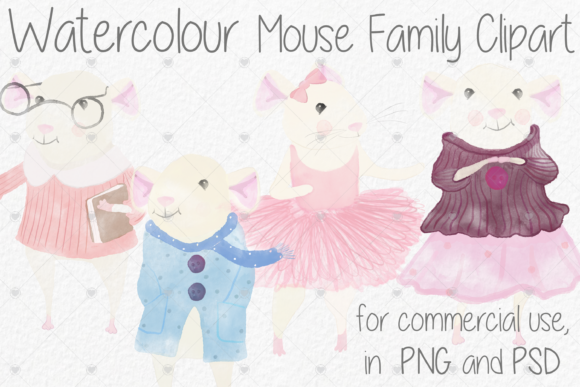
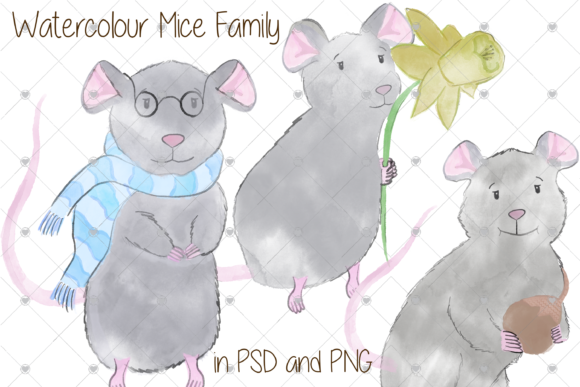
When you first load the embroidery file, the immediate impression is one of softness and whimsy. The watercolour aesthetic suggests fluidity, which is often challenging to replicate in thread. However, this specific illustration manages to capture the essence of a painted splash without losing structural integrity. The layout features a family grouping, likely parents and offspring, which creates a natural focal point. For a craft business owner or an Etsy seller, this kind of imagery is gold. It evokes nostalgia and warmth, making it instantly appealing for nursery decor, baby showers, or cozy home goods.
The visual personality is gentle yet distinct. Unlike high-contrast vector art that relies on sharp lines, this design seems to lean on gradients and softer edges. In the context of Illustrations, this means the stitching must rely heavily on color blending rather than heavy outlining. If executed well, the result is a premium, artistic look that elevates a simple cotton tote or a flannel shirt into something boutique-worthy.
Real-World Application: From File to Fabric
To truly test the Watercolour, Mouse, Mice, Animal Family design, I imagined a specific project: a custom embroidered tote bag for a local children's bookstore. The goal was to create a reusable bag that felt handmade and special, not mass-produced. Here is where the practical judgment comes in. When planning sweatshirt embroidery or tote bag design projects, the fabric texture plays a massive role. A canvas tote provides a sturdy base, but the weave can sometimes interfere with delicate details.
In this scenario, the watercolour effect would likely be achieved through a combination of fill stitch techniques and perhaps some strategic running stitch overlays to mimic brush strokes. The key is ensuring the stitch density isn't too high. If the threads pack too tightly, the soft, airy feel of the watercolour style is lost, replaced by a stiff, plastic-like patch. Conversely, if the density is too low, the colors won't blend, and the mice might look like they are disappearing into the background. Finding that balance is what separates a professional finished product from a hobbyist attempt.
I also considered using this as an embroidered patch. Patches require durability and crisp edges. While the watercolour theme is softer, the design could work beautifully on a denim jacket or a backpack if backed with a heavy-duty stabilizer. The "Animal Family" theme makes it perfect for personalization, perhaps adding a child's name below the group. This transforms a generic item into a personalized gift that feels deeply connected to the recipient.
Navigating Challenges: Where Caution is Needed
While the potential is high, there are specific situations where the Watercolour, Mouse, Mice, Animal Family design requires careful handling. First, consider the hoop size. Watercolour effects often need space to breathe. Trying to squeeze this family into a tiny 4x4 inch hoop might compress the details, causing the mice to lose their individual charm. Always confirm the required hoop size before committing to a small project.
Fabric choice is another critical factor. On textured fabrics like terrycloth towels or heavy fleece, the fine details of the watercolour wash might get lost in the pile of the fabric. Similarly, on very thin or stretchy materials, such as jersey t-shirts, the design could pucker if the wrong stabilizer is used. The tension needed to create those soft color transitions can pull the fabric, distorting the shape of the animals. For dark fabrics, the challenge shifts to visibility. A watercolour design often uses lighter tones; stitching these over black or navy material requires a solid backing layer, usually white or light grey thread colors, to make the design pop.
Furthermore, avoid placing this design on curved surfaces like caps unless you have extensive experience with cap frames. The organic shapes of the watercolour splashes might distort awkwardly around the curve of a hat panel. It is safer to reserve this design for flat surfaces like pillow covers, aprons, or the chest area of a sweatshirt where the fabric lies relatively flat.
Designer Notes for Professional Results
If you decide to integrate the Watercolour, Mouse, Mice, Animal Family into your commercial embroidery workflow, here are my essential tips for success:
- Test on Scrap Fabric: Never run the final design directly on your customer's order. Stitch it out on a scrap piece of the exact same fabric you plan to use. Check for puckering, thread breaks, and color bleeding.
- Review Color Contrast: Ensure the thread colors stand out against the background. If the design is meant to be subtle, make sure it doesn't become invisible. Use printable mockups to visualize how the colors will interact with different garment shades.
- Check Stitch Density: Inspect the digitizing closely. Areas that are too dense will be stiff; areas that are too sparse will show the fabric underneath. Adjustments may be necessary depending on your machine's capabilities.
- Verify Licensing: Before selling any handmade product featuring this design, confirm the license terms. Some digital embroidery files allow for limited commercial use, while others are strictly for personal use. Protect your business by understanding what you are allowed to sell.
- Stabilizer Selection: Do not skimp on stabilizers. For a design with this much detail and potential color variation, a tear-away or cut-away stabilizer that supports the weight of the thread without adding bulk is crucial.
Final Verdict on Value and Appeal
Ultimately, the Watercolour, Mouse, Mice, Animal Family design offers a unique opportunity for designers looking to add an artistic touch to their portfolio. It moves away from the standard, blocky embroidery styles and embraces a more painterly aesthetic. When executed correctly, it significantly boosts the perceived value of a small shop product. Customers are willing to pay a premium for items that look handcrafted and thoughtful.
This design fits perfectly into categories like holiday embroidery gifts, nursery essentials, and boutique apparel. It tells a story of family and nature, which resonates deeply with buyers looking for meaningful decor or clothing. However, its success hinges entirely on the execution. It demands attention to detail regarding fabric selection, stabilizer usage, and stitch adjustment. If you are a creative entrepreneur ready to put in the extra effort to perfect the stitch-out, this design asset can become a staple in your collection, driving engagement and trust with your clientele.
Remember, the difference between a good embroidery project and a great one is often found in the preparation. Take the time to test, adjust, and refine. With the right approach, the Watercolour, Mouse, Mice, Animal Family can transform simple fabric into a cherished keepsake.