Watercolor Dream Catcher with Floral 1 Review
As a designer who has spent years navigating the delicate balance between digital art and physical thread, I approach every new machine embroidery design with a critical eye. It is not enough for an image to look beautiful on a screen; it must translate seamlessly into stitches that hold up under wear, washing, and scrutiny. Recently, I evaluated Watercolor Dream Catcher with Floral 1, an asset categorized under Illustrations, to see if it holds its own in real-world applications for my craft business and client projects.
The First Impression: Mood and Visual Flow
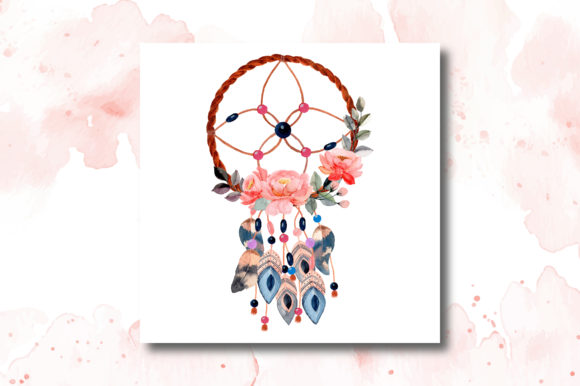
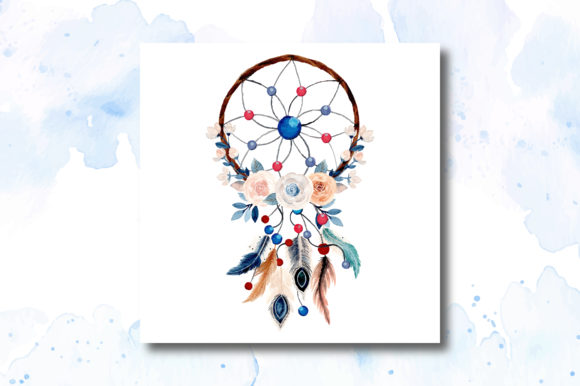
When I first opened the preview of Watercolor Dream Catcher with Floral 1, the immediate sensation was one of softness and nostalgia. The watercolor aesthetic suggests a dreamy, ethereal quality that leans heavily into bohemian and nursery themes. Unlike sharp vector graphics that demand precision, this design relies on gradients and blended edges to create its charm. For an embroidery file to succeed here, the transition from one color to another must be smooth, avoiding harsh lines that would ruin the "painted" effect.
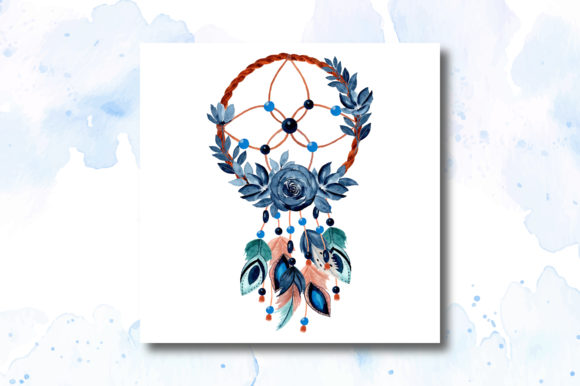
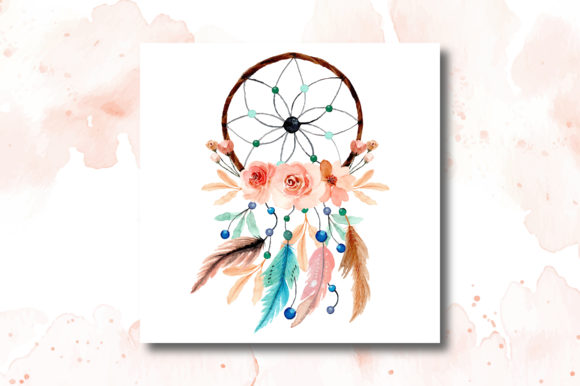
The layout features a classic dream catcher hoop surrounded by organic floral elements. This composition is versatile, but it requires careful consideration regarding scale. The visual personality is gentle, making it an excellent candidate for personalized gifts, baby items, or boutique home decor. However, the intricate details within the webbing and petals mean that the stitch density will need to be high enough to show detail without becoming a tangled mess of thread.
Testing the Design: A Real-World Tote Bag Scenario
To truly understand how Watercolor Dream Catcher with Floral 1 performs, I imagined using it for a custom embroidered tote bag for a local artisan market. Tote bags are a staple for any Etsy seller or small shop product line because they are practical, visible, and often serve as walking advertisements. In this scenario, the design would likely be placed centrally on a natural canvas background.
The watercolor style works exceptionally well on textured fabrics like canvas or linen. The slight irregularity of the fabric weave can actually enhance the hand-painted illusion of the design. If I were stitching this onto a sweatshirt for custom apparel, I would lean towards a lighter weight cotton blend to ensure the fill stitch lays flat. On a heavy fleece, the raised texture might obscure the subtle shading of the flowers, turning a delicate illustration into a bulky patch.
For a handmade product like this, customer reaction is key. Shoppers looking for dream catchers usually seek spiritual or calming vibes. This design hits that mark perfectly. The floral additions soften the traditional geometric web, making it appealing to a broader audience, including those who might not typically buy boho gear but love floral motifs. This versatility increases the potential for commercial embroidery success, allowing me to sell the same design on multiple product types without it feeling repetitive.
Navigating Technical Challenges and Fabric Choices
While the aesthetic is strong, there are specific areas where Watercolor Dream Catcher with Floral 1 requires caution. Watercolor effects in embroidery are notoriously difficult to achieve without bleeding colors. If the thread colors are not carefully selected to mimic a gradient, the result can look muddy rather than artistic. I always advise testing the design on scrap fabric first to check how the machine blends the hues.
Fabric choice is another critical factor. This design should be used carefully on thin or stretchy fabrics. The hoop size required to capture all the floral details might cause puckering on a lightweight t-shirt unless a heavy-duty stabilizer is used. Similarly, on dark fabrics, the light pastel tones typical of watercolor art may struggle to pop without significant contrast adjustments or the use of a backing layer.
Curved surfaces, such as caps or hats, present another challenge. The circular nature of the dream catcher fits a cap crown reasonably well, but the extending floral elements might get distorted or lose their shape on a curved brim. In these cases, simplifying the design or choosing a flatter placement area is essential. Additionally, for products that need frequent washing, such as kitchen towels or aprons, the density of the satin stitch and running stitch borders must be checked to ensure they do not snag or fray over time.
Strategic Application for Small Businesses and Crafters
For the creative entrepreneur, Watercolor Dream Catcher with Floral 1 offers a distinct advantage in brand consistency. If your shop specializes in soft, feminine, or nature-inspired goods, this digital embroidery file aligns perfectly with that identity. It elevates a simple item into a perceived luxury finished product.
Consider using this design for holiday embroidery projects. A dream catcher with floral accents makes a thoughtful wedding gift, a baby shower favor, or a housewarming present. The ability to personalize the piece—perhaps by adding a name in a complementary script font nearby—adds significant value. However, remember to keep the lettering separate from the dense floral areas to maintain clarity.
When creating printable mockups for your online store, ensure the lighting and angles reflect the true texture of the embroidery. Customers cannot feel the thread, so your images must convey the depth and quality of the stitching. A high-quality photo of the embroidered patch version of this design can also serve as a standalone product, offering a lower price point entry for customers who want the aesthetic without buying a full garment.
Practical Designer Notes for Success
- Test Before Committing: Always run a test on a similar fabric to verify how the watercolor gradients render in thread.
- Check Stitch Density: Ensure the fill stitch is not too tight, which can stiffen the fabric, or too loose, which shows the background.
- Stabilizer is Key: Use a cutaway stabilizer for stretchy fabrics and a tear-away for stable woven materials to support the intricate details.
- Color Contrast: Verify that the thread colors stand out against your chosen fabric, especially if working with patterned backgrounds.
- Licensing Check: Confirm whether the license allows you to sell finished items containing Watercolor Dream Catcher with Floral 1 or if it is restricted to personal use only.
- Hoop Size Verification: Measure the design dimensions against your machine's maximum hoop size to avoid splitting the design during stitching.
Final Verdict on Commercial Viability
In conclusion, Watercolor Dream Catcher with Floral 1 is a compelling addition to a designer's toolkit, provided it is applied with technical care. Its strength lies in its ability to evoke emotion and fit seamlessly into niche markets like nursery decor, yoga wear, and artisanal home goods. It transforms basic textiles into conversation starters.
However, it demands respect for the medium. The delicate nature of the watercolor style means that poor execution can easily lead to a disappointing result. By taking the time to test, stabilize, and select the right fabrics, you can leverage this design asset to create high-value, professional-looking items that resonate with buyers. Whether you are a hobbyist making gifts or a craft business owner scaling production, this design offers a unique opportunity to bring a soft, artistic touch to your embroidery project portfolio.