Watercolor Boho Clipart Moon Flowers Review
As a designer who has spent years translating digital art into tangible thread, I approach every new asset with a critical eye. When I first opened the file for Watercolor Boho Clipart Moon Flowers, my immediate reaction was to assess its potential beyond the screen. In the world of machine embroidery design, the gap between a pretty illustration and a stitchable reality can be wide. This specific set of Illustrations promises a soft, ethereal vibe that is currently dominating the aesthetic of boutique handmade goods. But does it hold up under the pressure of a real production run?
The First Impression: Mood and Visual Personality
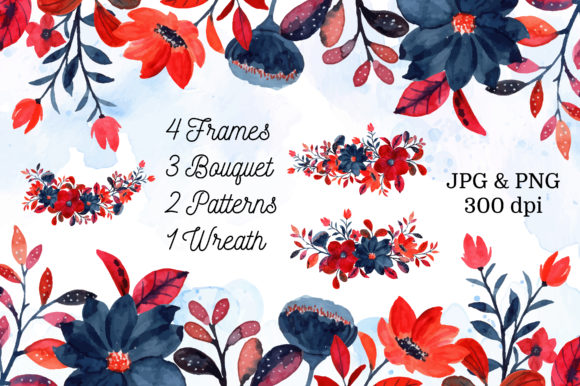
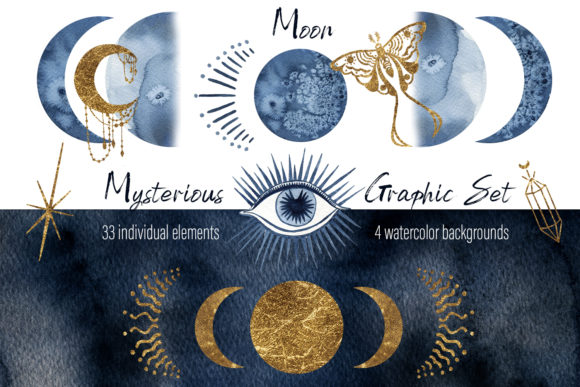
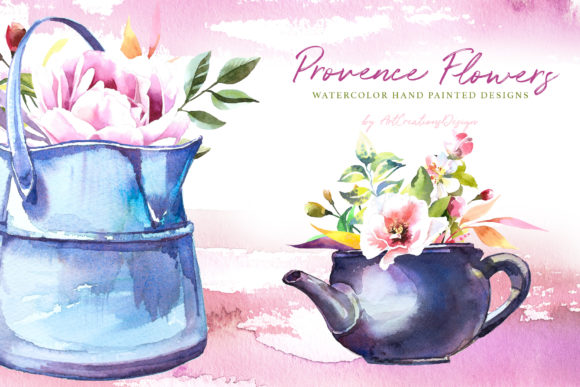
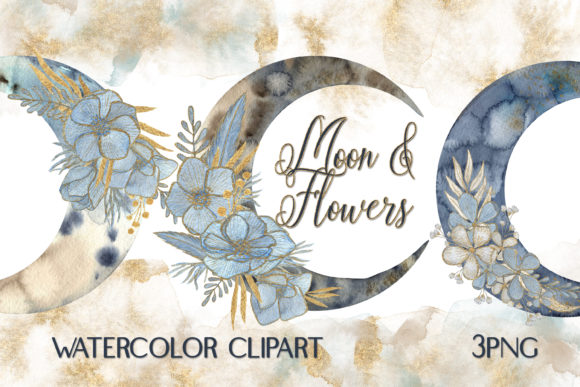
The visual language of Watercolor Boho Clipart Moon Flowers is undeniably charming. It captures that trending blend of celestial mysticism and organic floral softness. The shapes are fluid, avoiding harsh geometric lines in favor of gentle curves that mimic the bleed of watercolor paint on paper. For an Etsy seller or a creative entrepreneur looking to refresh their catalog, this mood is gold. It speaks directly to customers seeking personalized gifts, nursery decor, or bohemian-style home accents.
However, as a reviewer, I immediately started thinking about how these "watercolor" edges would translate into thread. Watercolor relies on transparency and gradient, while embroidery relies on density and opacity. The challenge with Watercolor Boho Clipart Moon Flowers is maintaining that dreamy, washed-out look without creating a muddy, over-stitched mess. If the design is intended for custom apparel, the artist must have done a clever job of breaking down the gradients into manageable fill stitch areas. My instinct is that this design works best where the negative space plays a significant role, allowing the fabric itself to provide the "paper" background for the flowers.
A Real-World Scenario: The Custom Tote Bag Project
To truly test the viability of this embroidery file, let's imagine a specific project: preparing a limited-run collection of organic cotton tote bags for a local craft fair. These bags need to feel premium yet casual, perfect for a small shop product line. I visualize placing the largest moon flower motif from Watercolor Boho Clipart Moon Flowers near the bottom corner of the bag, perhaps paired with a small script font.
In this scenario, the texture of the canvas becomes crucial. A standard tote bag has a visible weave. If the stitch density in the design is too high, the heavy thread will pucker the fabric, ruining the drape of the bag. Conversely, if the density is too low, the "watercolor" effect will look patchy and unfinished. I would likely start by testing this on a scrap piece of the same canvas. The goal is to see if the running stitch outlines hold the shape of the petals without overwhelming the soft fill. If the design includes intricate details within the moon phases, I would worry about them getting lost on a textured surface. In this case, simplicity wins. The beauty of Watercolor Boho Clipart Moon Flowers lies in its suggestion of detail rather than hyper-realism.
Navigating Fabric Challenges and Technical Constraints
While the aesthetic is appealing, practical application requires caution. Not all fabrics are created equal, and this design demands respect for the medium. Using Watercolor Boho Clipart Moon Flowers on stretchy fabrics like jersey knit for sweatshirt embroidery requires a robust stabilizer. The fluid nature of the design means that if the fabric shifts during stitching, the delicate flower shapes could distort, losing their boho charm and looking warped.
Similarly, dark fabrics present a hurdle. The "watercolor" look often relies on lighter threads or white-on-white techniques to achieve that luminous quality. Stitching this design on black denim might require a toner backing or a very dense underlay to prevent the dark fabric from showing through the gaps in the fill stitch. Without proper planning, the result could look dull rather than magical. For baby embroidery projects, such as onesies or blankets, the softness of the design is a major plus, but safety and comfort are paramount. The stitches should not be so dense that they create a hard, scratchy patch against a baby's skin.
Where to Be Careful
- Small Hoop Sizes: Attempting to fit the full composition of Watercolor Boho Clipart Moon Flowers into a 4x4 inch hoop might compress the design, making the flowers look crowded and losing the airy feel essential to the style.
- Textured Fabrics: On thick towels or nubby throws, fine details in the moon phases may get swallowed by the fabric pile.
- Curved Surfaces: While great for flat items, applying this design to a cap or hat requires careful digitizing adjustments to account for the curve, or the flowers may appear stretched.
- Dense Stitch Areas: Overlapping elements in the design could lead to thread buildup, causing puckering on thin materials like tea towels.
Impact on Brand Value and Customer Trust
For a craft business, the choice of design assets directly influences perceived value. A well-executed Watercolor Boho Clipart Moon Flowers project signals attention to detail and artistic taste. It elevates a simple tote bag into a statement piece. Customers buying personalized gifts or holiday embroidery items are often looking for uniqueness. This design offers a distinct visual identity that separates your products from generic, clip-art-heavy competitors.
However, consistency is key. If you use this design across multiple finished product types—say, pillow covers and aprons—the execution must remain flawless. A single instance of poor thread colors selection or bad stabilizer work can damage buyer engagement and trust. The design itself is strong, but it relies on the embroiderer's skill to bring out its potential. When done right, it enhances brand consistency and makes your handmade product stand out in a crowded marketplace.
Practical Designer Notes for Success
Before committing to a full production run with Watercolor Boho Clipart Moon Flowers, follow these steps to ensure professional results:
- Test on Scrap Fabric: Always stitch a sample first. Check how the "watercolor" gradients look in actual thread. Do they blend smoothly, or do they look like distinct blocks of color?
- Check Thread Contrast: Experiment with different thread colors. Sometimes a slightly off-white or pastel shade works better than stark white to achieve the desired softness.
- Review Stitch Density: Inspect the back of the test stitch. Is there excessive thread buildup? If so, you may need to adjust the density settings in your software before running the final piece.
- Confirm Hoop Size: Ensure your machine hoop accommodates the design without forcing it. Squeezing a design into a smaller hoop distorts the proportions.
- Use Proper Stabilizer: Don't skimp here. A cut-away stabilizer is usually best for apparel, while tear-away might suffice for stiffer items like tote bags.
- Mockup Testing: Create a printable mockup of your design on the intended product. Seeing it in black and white can reveal contrast issues that aren't obvious on a colored screen.
- Licensing Check: Before selling any commercial embroidery items, confirm the license terms for Watercolor Boho Clipart Moon Flowers. Ensure you are allowed to sell finished goods and understand any restrictions on the number of items you can produce.
Ultimately, Watercolor Boho Clipart Moon Flowers is a versatile asset that can breathe life into various projects, from embroidered patches to wedding gifts. Its success depends entirely on the hands that guide the needle. By respecting the limitations of the medium and testing thoroughly, you can transform these digital illustrations into cherished, high-quality physical goods that your customers will love.