Thai Food Dishes Watercolor Embroidery Review
As a designer who has spent years translating digital art into tangible thread, I approach every new machine embroidery design with a mix of excitement and skepticism. The gap between a beautiful screen image and a successful stitch-out is often where projects fail. Recently, I evaluated the Thai Food Dishes Watercolor design, a piece categorized under Illustrations, to see if it holds up in real-world applications. My goal was not just to admire the aesthetic but to determine if this specific embroidery file could survive the rigors of production for custom apparel, handmade gifts, or small shop merchandise.
The Visual Mood and First Impression
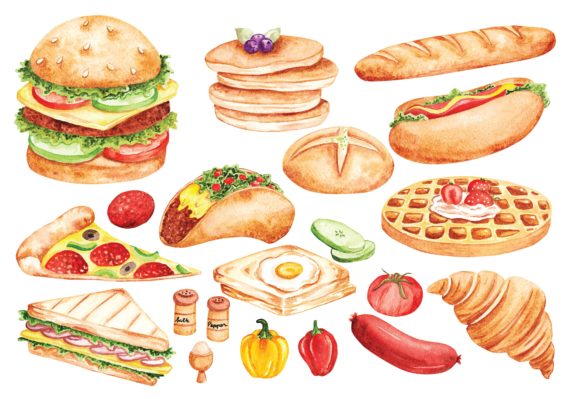
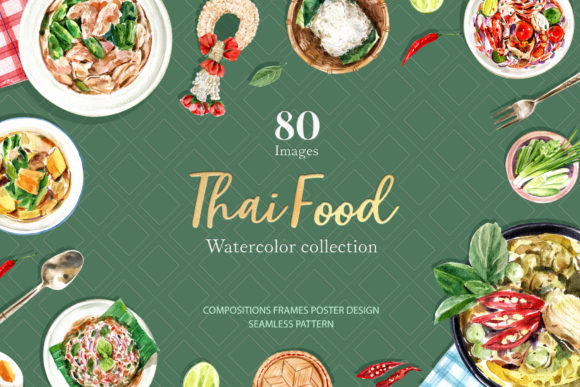
At first glance, Thai Food Dishes Watercolor captures a vibrant, appetizing energy that is rare in standard vector art. The watercolor style implies softness, blending, and organic edges, which presents an immediate challenge for embroidery. Unlike rigid line art, watercolor relies on gradients and texture to convey depth. In a digital format, this looks effortless, but when converted into a digital embroidery file, the question becomes: how does the machine interpret these fluid transitions?
The design features iconic elements like pad thai, green curry, and mango sticky rice, rendered in a way that feels fresh and modern rather than clichéd. For an Etsy seller or boutique owner looking to create a unique brand identity, this visual personality stands out. It suggests a love for travel, culture, and culinary arts. However, the success of this design hinges entirely on how well the stitch density manages to mimic those painted washes without becoming muddy or overly dense.
Real-World Application: A Custom Apron Scenario
To truly test the utility of Thai Food Dishes Watercolor, I imagined a specific project: a high-quality linen apron for a local cooking school or a personalized gift for a foodie friend. Linen is a fantastic fabric for kitchen textiles, but its natural texture can sometimes interfere with fine details. When visualizing this design on an apron pocket or chest area, the warm tones of the curry and noodles pop beautifully against a neutral beige or white background.
In this scenario, the design acts as a focal point. If I were selling these as a small shop product, the imagery would immediately communicate the theme of the business. Customers browsing for a personalized gift would be drawn to the whimsical nature of the dishes. The challenge here is placement. Because the composition is somewhat complex, placing it on a curved surface like a cap might distort the delicate watercolor effects. Instead, flat surfaces like tote bags, pillow covers, or the front of a sweatshirt are ideal. On a sweatshirt embroidery project, the bulk of the cotton fleece provides a stable canvas, allowing the threads to sit flat and maintain the integrity of the illustration.
Navigating Technical Challenges
While the aesthetic appeal is high, practical execution requires careful planning. Watercolor styles in embroidery often rely heavily on fill stitch techniques to build up color layers. If the stitch density is too high, the fabric can pucker, especially on lightweight materials like tea towels or baby clothes. Conversely, if the density is too low, the "paint" effect disappears, leaving gaps that ruin the illusion.
I strongly advise any crafter using Thai Food Dishes Watercolor to test the design on scrap fabric first. This is non-negotiable. You need to check how the thread colors interact. Watercolor blends often require subtle shifts in hue; if your machine runs out of thread mid-design or if the contrast isn't sharp enough, the finished product may look dull. Additionally, consider the hoop size. Complex illustrations often require larger hoops to prevent distortion. Attempting to squeeze this design into a tiny 4x4 inch hoop might force you to split the design, potentially breaking the visual flow of the dishes.
Another critical factor is the fabric choice. Textured fabrics can obscure the finer lines of the watercolor strokes. If you are working with a thick canvas for a tote bag design, ensure you use a heavy-duty stabilizer to keep the stitches from sinking into the weave. For dark fabric backgrounds, you will likely need a backing layer or a different color palette strategy to ensure the lighter watercolor washes remain visible. Without proper preparation, the intricate details of the food items could get lost in the shadows.
Commercial Viability and Brand Consistency
For creative entrepreneurs and craft business owners, the value of a design lies in its versatility. Thai Food Dishes Watercolor offers excellent potential for holiday embroidery, particularly around cultural festivals or summer cookouts. It fits perfectly into collections focused on travel, dining, or home cooking. However, consistency is key. If you plan to sell finished products featuring this design, ensure that the quality control matches the artistic intent. A poorly stitched version of such a detailed illustration can damage customer trust.
When creating printable mockups for your online store, make sure they accurately represent the texture of the thread. Digital images can hide the limitations of the stitch type. If you are marketing this as a premium handmade product, the stitching must be crisp. Customers expect a professional finish that reflects the care put into the design assets. Whether you are creating an embroidered patch for a hat or a full-chest design on a shirt, the clarity of the image determines the perceived value.
Furthermore, always confirm licensing before selling finished items. As a professional, I cannot stress enough the importance of understanding the terms of your commercial embroidery rights. Some designs are for personal use only, while others allow for limited sales of physical goods. Ensure that your usage aligns with the license to protect your business.
Final Designer Notes for Success
- Test First: Always run a test on a similar fabric to check stitch density and tension.
- Stabilize Properly: Use tear-away or cut-away stabilizers depending on the fabric weight to prevent puckering.
- Color Contrast: Verify that the thread colors provide enough contrast against your chosen background, especially on dark fabrics.
- Hoop Size Check: Confirm the design fits within your machine's maximum hoop size without needing awkward re-hooping.
- Licensing: Double-check the license terms for commercial embroidery before listing items for sale.
In conclusion, Thai Food Dishes Watercolor is a charming and versatile addition to any designer's library, provided it is handled with technical precision. It transforms ordinary textiles into conversation starters, perfect for the discerning maker who values both artistry and function. By respecting the limitations of the medium and preparing thoroughly, you can turn this digital illustration into a stunning, high-value finished product that delights customers and elevates your brand.