Hand Drawn Watercolor Butterfly Design Review
As a designer who has spent years translating digital art into tangible thread, I approach every new asset with a critical eye. When I first opened the file for the Hand Drawn Watercolor Butterfly Design, my immediate reaction was one of cautious optimism. The aesthetic is undeniably charming, capturing that soft, organic feel that defines the watercolor style. However, moving from a screen to a needle requires a shift in perspective. This is not just about how it looks as an illustration; it is about how it behaves when stitched onto fabric. For anyone running a craft business or planning a personalized gift, understanding the practical application of this design is crucial before you commit your machine time and materials.
The Visual Mood and Artistic Intent
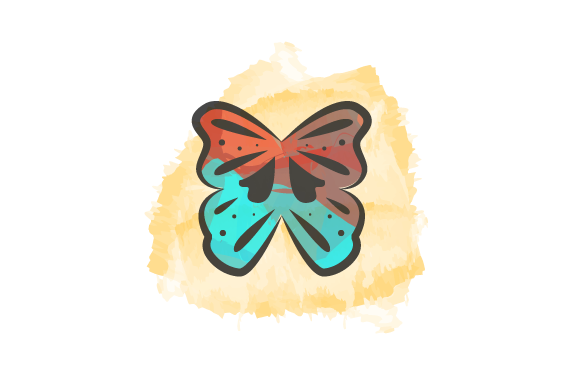
The Hand Drawn Watercolor Butterfly Design belongs to the Illustrations category, but its strength lies in its ability to evoke a specific mood. It feels whimsical, gentle, and slightly imperfect in the most human way possible. Unlike geometric or rigid vector art, this design mimics the flow of paint on paper. For an embroidery project, this suggests a need for careful stitch direction to maintain that fluid look. If you are aiming for a product that feels boutique-quality or artisanal, this design fits perfectly. It screams "handmade" without actually being hand-stitched, which is a powerful selling point for Etsy sellers and small shop owners looking to elevate their brand consistency.
When visualizing this as a finished product, I immediately thought of a custom embroidered tote bag or a linen apron. The soft edges of the butterfly wings would contrast beautifully against the texture of natural fibers. On a heavy canvas tote, the design would pop with a rustic elegance, perfect for a summer market stall. Alternatively, imagine this on a baby onesie or a nursery pillow cover. The gentle nature of the butterfly makes it an ideal choice for baby embroidery, where softness and innocence are paramount. The visual personality of the design naturally leans toward projects that require a touch of grace rather than bold, industrial impact.
Real-World Application: A Case Study
To truly test the viability of the Hand Drawn Watercolor Butterfly Design, let's walk through a real scenario. Picture yourself preparing a batch of holiday gifts for a local boutique client. They want a line of premium sweatshirts featuring seasonal motifs. You decide to use this butterfly design as the central element on the chest of a heather grey sweatshirt. As you set up your machine, you realize that the "watercolor" effect relies heavily on the interplay of fill stitches and perhaps some satin stitching for definition.
If the stitch density is too high, the soft, bleeding edges of the watercolor style will disappear, turning into a solid, blocky shape. Conversely, if the density is too low, the design might look sparse or unfinished on the thick fleece of the sweatshirt. In this context, the design demands precision. You would likely need to adjust the pull compensation and ensure the stabilizer is robust enough to handle the stretch of the fabric without distorting the delicate wing shapes. The result, if done correctly, is a sweatshirt embroidery piece that feels unique and high-end. Customers reacting to this item would likely perceive it as a thoughtful, artistic creation rather than a mass-produced garment, directly increasing the perceived value of your handmade product.
Navigating Fabric and Hoop Challenges
While the potential is high, there are specific areas where the Hand Drawn Watercolor Butterfly Design requires careful handling. One major consideration is the hoop size. Because watercolor designs often rely on negative space and flowing lines, shrinking the design down to fit a very small hoop can cause details to blur. Tiny lettering or intricate vein patterns in the wings might get lost in the thread pile. Always confirm the recommended hoop size before starting. If you are working with a 4x4 hoop, ensure the design scales appropriately without losing its character.
Fabric texture is another critical factor. On textured fabrics like denim or heavy wool, the fine details of the butterfly might struggle to stand out. Similarly, on thin or stretchy fabric, the tension required to hold the design flat could distort the shape. Dark fabrics present their own challenge; achieving that light, airy watercolor look on black cotton requires significant underlay work and potentially lighter thread colors to create contrast. Without proper backing, the design could sink into the fabric, losing its vibrancy. For curved surfaces like caps, the layout of the butterfly must be considered carefully to avoid distortion around the seam.
Strategic Use for Commercial Success
For the digital product seller or the creative entrepreneur, the Hand Drawn Watercolor Butterfly Design offers versatility. It works well as a standalone motif for an embroidered patch, which can then be sold as a kit or applied to various garments. It also serves as an excellent accent for larger compositions, such as a garden-themed quilt or a floral arrangement on a kitchen towel. The key to commercial success with this design lies in presentation. Using printable mockups to show the design on different items—like a tea towel, a blanket, or a cap—can help buyers visualize the final result, boosting buyer engagement and trust.
However, professional judgment dictates that you do not rush into production. Before selling any finished items or offering this as a digital embroidery file for others, you must verify the licensing terms. Ensure you have the right to use it for commercial embroidery projects. Additionally, always test the design on scrap fabric first. Check the thread color contrast against your intended background. Does the blue in the wings look vibrant on navy, or does it vanish? Inspect small details under magnification to ensure no gaps appear in the fill stitch. These steps are non-negotiable for maintaining professionalism and customer trust.
Final Designer Notes
In conclusion, the Hand Drawn Watercolor Butterfly Design is a beautiful asset that bridges the gap between digital art and textile craft. It excels in creating a soft, inviting aesthetic suitable for baby items, home decor, and personalized apparel. Yet, it demands respect for the mechanics of embroidery. By paying attention to stitch density, stabilizer choice, and fabric compatibility, you can transform this illustration into a stunning finished product. Whether you are decorating a holiday gift or stocking your boutique shelves, this design has the potential to add significant value to your portfolio. Just remember to check your file settings, test thoroughly, and let the unique charm of the watercolor style shine through your stitching.